Buy 掏.com ?
We are moving the project
掏.com .
Are you interested in purchasing the domain
掏.com ?
domain@kv-gmbh.de · 0541-91531010
Buy 掏.com ?
What are maturation processes and learning processes?
Maturation processes refer to the natural biological development and growth that occurs in an individual over time. These processes are largely influenced by genetics and occur without direct instruction or external influence. On the other hand, learning processes involve the acquisition of new knowledge, skills, or behaviors through experiences, instruction, and practice. Learning processes are influenced by environmental factors, social interactions, and cognitive development. Both maturation processes and learning processes play important roles in an individual's overall development and ability to adapt to their environment. **
What anatomical processes promote gas exchange in mammalian alveoli?
Gas exchange in mammalian alveoli is promoted by several anatomical processes. First, the alveoli have a large surface area for gas exchange due to their numerous small sacs. Second, the alveoli are surrounded by a dense network of capillaries, allowing for close proximity between the blood and the air in the alveoli. Third, the alveoli have thin walls, which allows for efficient diffusion of gases between the air in the alveoli and the blood in the capillaries. Finally, the alveoli are lined with a layer of surfactant, which reduces surface tension and prevents the alveoli from collapsing, ensuring efficient gas exchange. **

Similar search terms for Processes
Top-Angebote
Products related to Processes:
-
York Wallcoverings Exchange Misty Haze WallpaperExchange's small, unique, fractured lines feel like an artisanal installation rendered in burnished metallic against a textural plaster ground, shown in sea glass green with burnished metallic..170,00 $*Shipping: 0,00 $Secure redirect to the provider




-
What is the difference between LMI processes and LMN processes?
LMI (Linear Matrix Inequality) processes and LMN (Linear Matrix Norm) processes are both used in control theory to analyze and design control systems. The main difference between the two is that LMI processes focus on finding solutions to a set of linear matrix inequalities, while LMN processes focus on analyzing the norms of linear matrix equations. LMI processes are used to solve optimization problems and design robust control systems, while LMN processes are used to analyze the stability and performance of control systems. In summary, LMI processes are more focused on optimization and design, while LMN processes are more focused on analysis and stability. **
-
What is the difference between heat treatment processes and hardening processes?
Heat treatment processes refer to a range of techniques used to alter the physical and sometimes chemical properties of a material, typically through heating and cooling. This can include processes such as annealing, tempering, and quenching. Hardening processes, on the other hand, specifically refer to the heat treatment technique used to increase the hardness of a material, typically through heating and then rapidly cooling, or quenching, the material. In essence, hardening is a specific type of heat treatment process focused on increasing the hardness of a material, while heat treatment processes encompass a broader range of techniques aimed at altering various properties of a material. **
-
What are climatic processes?
Climatic processes refer to the various natural mechanisms and interactions that influence the Earth's climate system. These processes include factors such as solar radiation, greenhouse gas concentrations, ocean currents, and atmospheric circulation patterns. They play a crucial role in determining the long-term trends and variations in global and regional climates. Understanding climatic processes is essential for predicting future climate changes and their potential impacts on ecosystems, weather patterns, and human societies. **
-
What are storage processes?
Storage processes refer to the methods and systems used to store and manage data or materials in a systematic and organized manner. These processes involve storing items in a way that allows for easy retrieval, tracking, and maintenance. Examples of storage processes include inventory management, warehousing, and digital data storage. Effective storage processes are essential for businesses to optimize their operations and ensure efficient use of resources. **


What are exponential processes?
Exponential processes are mathematical functions or growth patterns where the rate of change of a quantity is proportional to its current value. In other words, the quantity increases or decreases at a constant percentage rate over a fixed interval of time. Exponential processes often result in rapid and accelerating growth, as the quantity being measured continually multiplies by a fixed factor. These processes are commonly observed in various natural phenomena, such as population growth, compound interest, and radioactive decay. **
What are warehouse processes?
Warehouse processes refer to the series of activities and operations involved in the management and movement of goods within a warehouse. These processes include receiving, storing, picking, packing, and shipping of products. Additionally, warehouse processes also involve inventory management, order fulfillment, and maintaining the overall organization and efficiency of the warehouse. These processes are crucial for ensuring the smooth and accurate flow of goods in and out of the warehouse, ultimately contributing to the success of the supply chain and customer satisfaction. **
Top-Angebote
Products related to Processes:
-
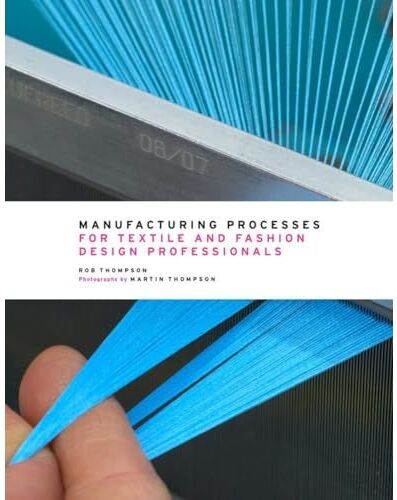
Thames and Hudson Ltd Manufacturing Processes for Textile and Fashion Design ProfessionalsThis fundamental resource for all textile and fashion designers explores over 70 production techniques and over 60 materials used in textile and fashion design. Organized into four main parts – Fibre and Yarn Technology, Textile Technology, Construction Technology, and Materials – it is a complete overview of the life cycle of textile and fashion manufacturing, from the spinning of yarn to recycling. In parts 1–3, over 70 major processes are explained in detail, each featuring a technical description, an analysis of the applications, design opportunities and considerations, quality, cost, speed and environmental impact. All of the processes feature detailed step-by-step case studies showing the process either at source or ‘in manufacture’ at a leading international supplier. Part 4 features essential knowledge on over 60 natural and synthetic materials.36,99 £*Shipping: 0,00 £Secure redirect to the provider
-
York Wallcoverings Exchange Misty Haze WallpaperExchange's small, unique, fractured lines feel like an artisanal installation rendered in burnished metallic against a textural plaster ground, shown in sea glass green with burnished metallic..170,00 $*Shipping: 0,00 $Secure redirect to the provider
-
What are maturation processes and learning processes?
Maturation processes refer to the natural biological development and growth that occurs in an individual over time. These processes are largely influenced by genetics and occur without direct instruction or external influence. On the other hand, learning processes involve the acquisition of new knowledge, skills, or behaviors through experiences, instruction, and practice. Learning processes are influenced by environmental factors, social interactions, and cognitive development. Both maturation processes and learning processes play important roles in an individual's overall development and ability to adapt to their environment. **
-
What anatomical processes promote gas exchange in mammalian alveoli?
Gas exchange in mammalian alveoli is promoted by several anatomical processes. First, the alveoli have a large surface area for gas exchange due to their numerous small sacs. Second, the alveoli are surrounded by a dense network of capillaries, allowing for close proximity between the blood and the air in the alveoli. Third, the alveoli have thin walls, which allows for efficient diffusion of gases between the air in the alveoli and the blood in the capillaries. Finally, the alveoli are lined with a layer of surfactant, which reduces surface tension and prevents the alveoli from collapsing, ensuring efficient gas exchange. **
-
What is the difference between LMI processes and LMN processes?
LMI (Linear Matrix Inequality) processes and LMN (Linear Matrix Norm) processes are both used in control theory to analyze and design control systems. The main difference between the two is that LMI processes focus on finding solutions to a set of linear matrix inequalities, while LMN processes focus on analyzing the norms of linear matrix equations. LMI processes are used to solve optimization problems and design robust control systems, while LMN processes are used to analyze the stability and performance of control systems. In summary, LMI processes are more focused on optimization and design, while LMN processes are more focused on analysis and stability. **
-
What is the difference between heat treatment processes and hardening processes?
Heat treatment processes refer to a range of techniques used to alter the physical and sometimes chemical properties of a material, typically through heating and cooling. This can include processes such as annealing, tempering, and quenching. Hardening processes, on the other hand, specifically refer to the heat treatment technique used to increase the hardness of a material, typically through heating and then rapidly cooling, or quenching, the material. In essence, hardening is a specific type of heat treatment process focused on increasing the hardness of a material, while heat treatment processes encompass a broader range of techniques aimed at altering various properties of a material. **
Similar search terms for Processes
-
York Wallcoverings Exchange Crystal Shore WallpaperExchange's small, unique, fractured lines feel like an artisanal installation rendered in burnished metallic against a textural plaster ground, shown in taupe grey with burnished metallic..170,00 $*Shipping: 0,00 $Secure redirect to the provider
-
What are climatic processes?
Climatic processes refer to the various natural mechanisms and interactions that influence the Earth's climate system. These processes include factors such as solar radiation, greenhouse gas concentrations, ocean currents, and atmospheric circulation patterns. They play a crucial role in determining the long-term trends and variations in global and regional climates. Understanding climatic processes is essential for predicting future climate changes and their potential impacts on ecosystems, weather patterns, and human societies. **
-
What are storage processes?
Storage processes refer to the methods and systems used to store and manage data or materials in a systematic and organized manner. These processes involve storing items in a way that allows for easy retrieval, tracking, and maintenance. Examples of storage processes include inventory management, warehousing, and digital data storage. Effective storage processes are essential for businesses to optimize their operations and ensure efficient use of resources. **
-
What are exponential processes?
Exponential processes are mathematical functions or growth patterns where the rate of change of a quantity is proportional to its current value. In other words, the quantity increases or decreases at a constant percentage rate over a fixed interval of time. Exponential processes often result in rapid and accelerating growth, as the quantity being measured continually multiplies by a fixed factor. These processes are commonly observed in various natural phenomena, such as population growth, compound interest, and radioactive decay. **
-
What are warehouse processes?
Warehouse processes refer to the series of activities and operations involved in the management and movement of goods within a warehouse. These processes include receiving, storing, picking, packing, and shipping of products. Additionally, warehouse processes also involve inventory management, order fulfillment, and maintaining the overall organization and efficiency of the warehouse. These processes are crucial for ensuring the smooth and accurate flow of goods in and out of the warehouse, ultimately contributing to the success of the supply chain and customer satisfaction. **
* All prices are inclusive of VAT and, if applicable, plus shipping costs. The offer information is based on the details provided by the respective shop and is updated through automated processes. Real-time updates do not occur, so deviations can occur in individual cases. ** Note: Parts of this content were created by AI.