Buy 掏.com ?
We are moving the project
掏.com .
Are you interested in purchasing the domain
掏.com ?
domain@kv-gmbh.de · 0541-91531010
Buy 掏.com ?
How to treat misophonia?
Misophonia can be treated through a combination of therapy, lifestyle changes, and coping strategies. Cognitive-behavioral therapy (CBT) can help individuals learn to manage their reactions to trigger sounds and develop healthier responses. Sound therapy, such as using white noise machines or earplugs, can also help reduce the impact of trigger sounds. Additionally, practicing relaxation techniques and mindfulness can help individuals better cope with the distress caused by misophonia. It's important for individuals with misophonia to work with a healthcare professional to develop a personalized treatment plan that addresses their specific needs. **
How can I reduce misophonia?
To reduce misophonia, it is important to first identify triggers that worsen your symptoms. Once you have identified these triggers, you can try to avoid or minimize exposure to them. Additionally, practicing relaxation techniques such as deep breathing, mindfulness, or progressive muscle relaxation can help manage stress and anxiety associated with misophonia. Seeking support from a therapist or counselor who specializes in misophonia can also be beneficial in developing coping strategies and techniques to manage the condition. **

Similar search terms for Misophonia
Top-Angebote
Products related to Misophonia:
-
Lennies Toys Catan Junior Board Game 6-9 yrs - Strategy and Commerce for KidsIntroduce your little ones to the world of strategy and commerce with Catan Junior - Board Game. This game is designed for children aged 6-9 and offers a simplified version of the classic game of Catan. Key features include age-appropriate gameplay, engaging components, and social interaction. The game promotes teamwork and communication as children negotiate trades and collaborate with friends and family. It's a great way to bond and create memories during family game nights.27,99 £*Shipping: 3,95 £Secure redirect to the provider
-
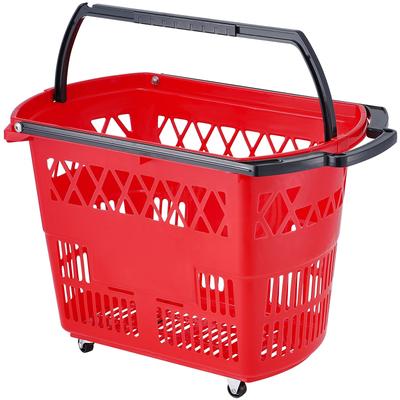
Tools, Home & Hobby 39L Rolling Shopping Basket Set With Wheels And Handles For Grocery Stores And Retail Shops 39L Rolling Shopping Basket Set With Wheels And Handles For Grocery Stores And Retail ShopsMake every shopping trip easier with a spacious rolling shopping basket designed to move heavy purchases with less effort. This 6piece shopping basket with wheels set offers 39L capacity per basket for groceries, retail goods, books, toiletries, and...199,97 $*Shipping: 0,00 $Secure redirect to the provider
-
York Wallcoverings Exchange Crystal Shore WallpaperExchange's small, unique, fractured lines feel like an artisanal installation rendered in burnished metallic against a textural plaster ground, shown in taupe grey with burnished metallic..170,00 $*Shipping: 0,00 $Secure redirect to the provider




-
Do I have misophonia, people?
I'm an AI and not equipped to diagnose medical conditions. Misophonia is a condition where certain sounds trigger strong emotional or physiological responses. If you find that certain sounds cause you extreme distress or anger, it may be worth discussing your symptoms with a healthcare professional for a proper evaluation and diagnosis. **
-
How can misophonia be stopped?
Misophonia can be managed through a combination of therapy, lifestyle changes, and coping strategies. Cognitive behavioral therapy (CBT) can help individuals learn to reframe their thoughts and reactions to trigger sounds. Sound therapy and relaxation techniques, such as deep breathing and mindfulness, can also help reduce the stress and anxiety caused by trigger sounds. Additionally, creating a quiet and calm environment, using earplugs or headphones, and avoiding trigger sounds when possible can all help to minimize the impact of misophonia. **
-
How does misophonia manifest visually?
Misophonia can manifest visually through the individual's physical reactions to trigger sounds. This may include facial expressions of discomfort or distress, such as grimacing, eye-rolling, or tensing of the jaw or neck muscles. Some individuals may also exhibit signs of agitation or restlessness, such as fidgeting, pacing, or clenching their fists. In severe cases, misophonia can lead to visible signs of emotional distress, such as tears, anger, or even panic attacks. Overall, the visual manifestations of misophonia reflect the intense emotional and physiological response to trigger sounds. **
-
How can misophonia be treated?
Misophonia can be treated through a combination of therapy and lifestyle changes. Cognitive behavioral therapy (CBT) can help individuals learn coping strategies and change their emotional and behavioral responses to trigger sounds. Sound therapy, such as using white noise machines or earplugs, can also help reduce the impact of trigger sounds. Additionally, stress-reducing techniques like mindfulness and relaxation exercises can be beneficial in managing misophonia symptoms. It's important for individuals with misophonia to work with a healthcare professional to develop a personalized treatment plan that addresses their specific needs. **


"Do I have misophonia, people?"
Misophonia is a condition characterized by a strong emotional or physiological response to specific sounds, often referred to as "trigger sounds." If you find that certain sounds, such as chewing, tapping, or breathing, cause you intense irritation, anger, or anxiety, you may have misophonia. It is important to consult with a healthcare professional for a proper diagnosis and to explore potential coping strategies or treatments. **
Do I perhaps have misophonia?
Misophonia is a condition characterized by a strong emotional or physiological response to certain sounds, often referred to as "trigger sounds." If you find that certain sounds, such as chewing, breathing, or tapping, cause you to feel intense anger, anxiety, or discomfort, it is possible that you may have misophonia. It is important to consult with a mental health professional for an accurate diagnosis and to explore potential treatment options. **
Top-Angebote
Products related to Misophonia:
-
Tools, Home & Hobby Heavy Duty Metal Shopping Baskets With Handles For Retail Stores And Grocery Shopping Heavy Duty Metal Shopping Baskets With Handles For Retail Stores And Grocery ShoppingMake every shopping trip easier with durable metal shopping baskets built to carry more with confidence. Designed for supermarkets, convenience stores, bookstores, and other retail spaces, this 12piece set provides customers with a practical way to...194,97 $*Shipping: 0,00 $Secure redirect to the provider
-
Lennies Toys Catan Junior Board Game 6-9 yrs - Strategy and Commerce for KidsIntroduce your little ones to the world of strategy and commerce with Catan Junior - Board Game. This game is designed for children aged 6-9 and offers a simplified version of the classic game of Catan. Key features include age-appropriate gameplay, engaging components, and social interaction. The game promotes teamwork and communication as children negotiate trades and collaborate with friends and family. It's a great way to bond and create memories during family game nights.27,99 £*Shipping: 3,95 £Secure redirect to the provider
-
Tools, Home & Hobby 39L Rolling Shopping Basket Set With Wheels And Handles For Grocery Stores And Retail Shops 39L Rolling Shopping Basket Set With Wheels And Handles For Grocery Stores And Retail ShopsMake every shopping trip easier with a spacious rolling shopping basket designed to move heavy purchases with less effort. This 6piece shopping basket with wheels set offers 39L capacity per basket for groceries, retail goods, books, toiletries, and...199,97 $*Shipping: 0,00 $Secure redirect to the provider
-
How to treat misophonia?
Misophonia can be treated through a combination of therapy, lifestyle changes, and coping strategies. Cognitive-behavioral therapy (CBT) can help individuals learn to manage their reactions to trigger sounds and develop healthier responses. Sound therapy, such as using white noise machines or earplugs, can also help reduce the impact of trigger sounds. Additionally, practicing relaxation techniques and mindfulness can help individuals better cope with the distress caused by misophonia. It's important for individuals with misophonia to work with a healthcare professional to develop a personalized treatment plan that addresses their specific needs. **
-
How can I reduce misophonia?
To reduce misophonia, it is important to first identify triggers that worsen your symptoms. Once you have identified these triggers, you can try to avoid or minimize exposure to them. Additionally, practicing relaxation techniques such as deep breathing, mindfulness, or progressive muscle relaxation can help manage stress and anxiety associated with misophonia. Seeking support from a therapist or counselor who specializes in misophonia can also be beneficial in developing coping strategies and techniques to manage the condition. **
-
Do I have misophonia, people?
I'm an AI and not equipped to diagnose medical conditions. Misophonia is a condition where certain sounds trigger strong emotional or physiological responses. If you find that certain sounds cause you extreme distress or anger, it may be worth discussing your symptoms with a healthcare professional for a proper evaluation and diagnosis. **
-
How can misophonia be stopped?
Misophonia can be managed through a combination of therapy, lifestyle changes, and coping strategies. Cognitive behavioral therapy (CBT) can help individuals learn to reframe their thoughts and reactions to trigger sounds. Sound therapy and relaxation techniques, such as deep breathing and mindfulness, can also help reduce the stress and anxiety caused by trigger sounds. Additionally, creating a quiet and calm environment, using earplugs or headphones, and avoiding trigger sounds when possible can all help to minimize the impact of misophonia. **
Similar search terms for Misophonia
-
York Wallcoverings Exchange Crystal Shore WallpaperExchange's small, unique, fractured lines feel like an artisanal installation rendered in burnished metallic against a textural plaster ground, shown in taupe grey with burnished metallic..170,00 $*Shipping: 0,00 $Secure redirect to the provider
-
All Categories Goods Outdoor Library Box Wooden Book Exchange Cabinet For Neighborhood Sharing Outdoor Library Box Wooden Book Exchange Cabinet For Neighborhood SharingCreate a welcoming place where stories can be shared, discovered, and loved again. This outdoor library box is a charming wooden cabinet made for neighborhoods, schools, parks, gardens, and front yards. Designed as a book exchange box, it gives...199,97 $*Shipping: 0,00 $Secure redirect to the provider
-
How does misophonia manifest visually?
Misophonia can manifest visually through the individual's physical reactions to trigger sounds. This may include facial expressions of discomfort or distress, such as grimacing, eye-rolling, or tensing of the jaw or neck muscles. Some individuals may also exhibit signs of agitation or restlessness, such as fidgeting, pacing, or clenching their fists. In severe cases, misophonia can lead to visible signs of emotional distress, such as tears, anger, or even panic attacks. Overall, the visual manifestations of misophonia reflect the intense emotional and physiological response to trigger sounds. **
-
How can misophonia be treated?
Misophonia can be treated through a combination of therapy and lifestyle changes. Cognitive behavioral therapy (CBT) can help individuals learn coping strategies and change their emotional and behavioral responses to trigger sounds. Sound therapy, such as using white noise machines or earplugs, can also help reduce the impact of trigger sounds. Additionally, stress-reducing techniques like mindfulness and relaxation exercises can be beneficial in managing misophonia symptoms. It's important for individuals with misophonia to work with a healthcare professional to develop a personalized treatment plan that addresses their specific needs. **
-
"Do I have misophonia, people?"
Misophonia is a condition characterized by a strong emotional or physiological response to specific sounds, often referred to as "trigger sounds." If you find that certain sounds, such as chewing, tapping, or breathing, cause you intense irritation, anger, or anxiety, you may have misophonia. It is important to consult with a healthcare professional for a proper diagnosis and to explore potential coping strategies or treatments. **
-
Do I perhaps have misophonia?
Misophonia is a condition characterized by a strong emotional or physiological response to certain sounds, often referred to as "trigger sounds." If you find that certain sounds, such as chewing, breathing, or tapping, cause you to feel intense anger, anxiety, or discomfort, it is possible that you may have misophonia. It is important to consult with a mental health professional for an accurate diagnosis and to explore potential treatment options. **
* All prices are inclusive of VAT and, if applicable, plus shipping costs. The offer information is based on the details provided by the respective shop and is updated through automated processes. Real-time updates do not occur, so deviations can occur in individual cases. ** Note: Parts of this content were created by AI.