Buy 掏.com ?
We are moving the project
掏.com .
Are you interested in purchasing the domain
掏.com ?
domain@kv-gmbh.de · 0541-91531010
Buy 掏.com ?
How are prices formed in a market economy?
Prices in a market economy are formed through the interaction of supply and demand. When there is high demand for a product or service but limited supply, prices tend to rise. Conversely, when supply exceeds demand, prices tend to fall. This constant fluctuation in prices helps to allocate resources efficiently and signals to producers and consumers where resources are most needed. Overall, prices in a market economy are determined by the forces of supply and demand, as well as factors such as competition, production costs, and consumer preferences. **
How is cellobiose formed?
Cellobiose is formed through the hydrolysis of cellulose, which is a polysaccharide found in the cell walls of plants. Enzymes called cellulases break down the cellulose into its component sugar units, releasing cellobiose as a disaccharide. Cellobiose consists of two glucose molecules linked together by a beta-1,4 glycosidic bond. This process of breaking down cellulose into cellobiose is essential for organisms like bacteria and fungi that can utilize cellobiose as a source of energy. **

Similar search terms for Formed
Top-Angebote
Products related to Formed:
-
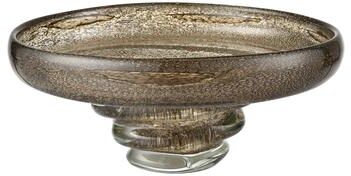
Atlas Lighting and Home Atlas Metcalf Hand-Formed Bubbled Glass Ribbed Bowl - 11.5 inch WideExperience the artistry of the Metcalf Bowl. Made from hand-formed bubbled glass, this heavyweight ribbed bowl is a testament to craftsmanship and a true work of art for your home.118,00 $*Shipping: 0,00 $Secure redirect to the provider
-
York Wallcoverings Exchange Misty Haze WallpaperExchange's small, unique, fractured lines feel like an artisanal installation rendered in burnished metallic against a textural plaster ground, shown in sea glass green with burnished metallic..170,00 $*Shipping: 0,00 $Secure redirect to the provider



-
How is ATP formed?
ATP is formed through the process of cellular respiration, which occurs in the mitochondria of cells. During cellular respiration, glucose is broken down in a series of steps, releasing energy that is used to convert ADP (adenosine diphosphate) into ATP (adenosine triphosphate). This process involves the electron transport chain and the production of ATP synthase, which adds a phosphate group to ADP to form ATP. Overall, ATP is formed through the transfer of energy from glucose to ADP, creating a molecule that serves as the primary energy source for cellular activities. **
-
How are mitochondria formed?
Mitochondria are formed through a process called mitochondrial biogenesis, which involves the growth and division of existing mitochondria. Mitochondria have their own DNA and can replicate independently of the cell's nucleus. When a cell needs more energy, it signals for the production of new mitochondria through a complex interplay of signaling pathways and regulatory proteins. This process ensures that the cell has an adequate supply of mitochondria to meet its energy demands. **
-
How are molecules formed?
Molecules are formed through chemical bonding between atoms. Atoms can either share electrons to form covalent bonds or transfer electrons to form ionic bonds. The type of bonding that occurs depends on the elements involved and their tendency to gain, lose, or share electrons. Once atoms are bonded together, they form a stable structure known as a molecule. **
-
How is skin formed?
Skin is formed through a process called skin cell proliferation and differentiation. The outer layer of the skin, known as the epidermis, is made up of several layers of cells that are constantly being shed and replaced. The inner layer, called the dermis, contains collagen and elastin fibers that provide structure and elasticity to the skin. Skin cells are produced in the deepest layer of the epidermis, called the basal layer, and as they move towards the surface, they undergo a process of differentiation and eventually die to form the protective barrier of the skin. **


How are salts formed?
Salts are formed through a chemical reaction between an acid and a base. During this reaction, the hydrogen ions from the acid combine with the hydroxide ions from the base to form water, while the remaining ions combine to form a salt. This process is known as neutralization. Salts can also be formed through the evaporation of a solution containing dissolved ions, resulting in the formation of solid salt crystals. **
How is avoir formed?
The verb "avoir" is formed in the present tense by conjugating the verb as follows: j'ai (I have), tu as (you have), il/elle/on a (he/she/it has), nous avons (we have), vous avez (you have), ils/elles ont (they have). In the past tense, "avoir" is formed by using the auxiliary verb "avoir" followed by the past participle of the main verb. For example, "j'ai eu" (I had), "tu as eu" (you had), "il/elle/on a eu" (he/she/it had), "nous avons eu" (we had), "vous avez eu" (you had), "ils/elles ont eu" (they had). **
Top-Angebote
Products related to Formed:
-
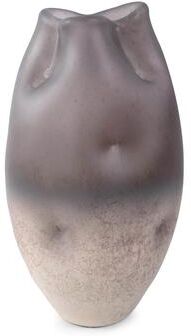
Allan Andrews Electric Flow Free Formed VaseThis hand-blown vase features a captivating ombre effect, blending cool gray and aubergine with warm beige and gold. With its unique shape and matte finish, it brings a modern touch to any design.189,00 $*Shipping: 0,00 $Secure redirect to the provider
-
Atlas Lighting and Home Atlas Metcalf Hand-Formed Bubbled Glass VaseExperience the artistry of the Metcalf Vase. Made from hand-formed bubbled glass, this heavyweight ribbed vase is a testament to craftsmanship and a true work of art for your home.150,00 $*Shipping: 0,00 $Secure redirect to the provider
-
Atlas Lighting and Home Atlas Metcalf Hand-Formed Bubbled Glass Ribbed Bowl - 11.5 inch WideExperience the artistry of the Metcalf Bowl. Made from hand-formed bubbled glass, this heavyweight ribbed bowl is a testament to craftsmanship and a true work of art for your home.118,00 $*Shipping: 0,00 $Secure redirect to the provider
-
How are prices formed in a market economy?
Prices in a market economy are formed through the interaction of supply and demand. When there is high demand for a product or service but limited supply, prices tend to rise. Conversely, when supply exceeds demand, prices tend to fall. This constant fluctuation in prices helps to allocate resources efficiently and signals to producers and consumers where resources are most needed. Overall, prices in a market economy are determined by the forces of supply and demand, as well as factors such as competition, production costs, and consumer preferences. **
-
How is cellobiose formed?
Cellobiose is formed through the hydrolysis of cellulose, which is a polysaccharide found in the cell walls of plants. Enzymes called cellulases break down the cellulose into its component sugar units, releasing cellobiose as a disaccharide. Cellobiose consists of two glucose molecules linked together by a beta-1,4 glycosidic bond. This process of breaking down cellulose into cellobiose is essential for organisms like bacteria and fungi that can utilize cellobiose as a source of energy. **
-
How is ATP formed?
ATP is formed through the process of cellular respiration, which occurs in the mitochondria of cells. During cellular respiration, glucose is broken down in a series of steps, releasing energy that is used to convert ADP (adenosine diphosphate) into ATP (adenosine triphosphate). This process involves the electron transport chain and the production of ATP synthase, which adds a phosphate group to ADP to form ATP. Overall, ATP is formed through the transfer of energy from glucose to ADP, creating a molecule that serves as the primary energy source for cellular activities. **
-
How are mitochondria formed?
Mitochondria are formed through a process called mitochondrial biogenesis, which involves the growth and division of existing mitochondria. Mitochondria have their own DNA and can replicate independently of the cell's nucleus. When a cell needs more energy, it signals for the production of new mitochondria through a complex interplay of signaling pathways and regulatory proteins. This process ensures that the cell has an adequate supply of mitochondria to meet its energy demands. **
Similar search terms for Formed
-
York Wallcoverings Exchange Misty Haze WallpaperExchange's small, unique, fractured lines feel like an artisanal installation rendered in burnished metallic against a textural plaster ground, shown in sea glass green with burnished metallic..170,00 $*Shipping: 0,00 $Secure redirect to the provider
-
How are molecules formed?
Molecules are formed through chemical bonding between atoms. Atoms can either share electrons to form covalent bonds or transfer electrons to form ionic bonds. The type of bonding that occurs depends on the elements involved and their tendency to gain, lose, or share electrons. Once atoms are bonded together, they form a stable structure known as a molecule. **
-
How is skin formed?
Skin is formed through a process called skin cell proliferation and differentiation. The outer layer of the skin, known as the epidermis, is made up of several layers of cells that are constantly being shed and replaced. The inner layer, called the dermis, contains collagen and elastin fibers that provide structure and elasticity to the skin. Skin cells are produced in the deepest layer of the epidermis, called the basal layer, and as they move towards the surface, they undergo a process of differentiation and eventually die to form the protective barrier of the skin. **
-
How are salts formed?
Salts are formed through a chemical reaction between an acid and a base. During this reaction, the hydrogen ions from the acid combine with the hydroxide ions from the base to form water, while the remaining ions combine to form a salt. This process is known as neutralization. Salts can also be formed through the evaporation of a solution containing dissolved ions, resulting in the formation of solid salt crystals. **
-
How is avoir formed?
The verb "avoir" is formed in the present tense by conjugating the verb as follows: j'ai (I have), tu as (you have), il/elle/on a (he/she/it has), nous avons (we have), vous avez (you have), ils/elles ont (they have). In the past tense, "avoir" is formed by using the auxiliary verb "avoir" followed by the past participle of the main verb. For example, "j'ai eu" (I had), "tu as eu" (you had), "il/elle/on a eu" (he/she/it had), "nous avons eu" (we had), "vous avez eu" (you had), "ils/elles ont eu" (they had). **
* All prices are inclusive of VAT and, if applicable, plus shipping costs. The offer information is based on the details provided by the respective shop and is updated through automated processes. Real-time updates do not occur, so deviations can occur in individual cases. ** Note: Parts of this content were created by AI.