Buy 掏.com ?
We are moving the project
掏.com .
Are you interested in purchasing the domain
掏.com ?
domain@kv-gmbh.de · 0541-91531010
Buy 掏.com ?
What is the difference between permanent field cultivation and shifting cultivation?
Permanent field cultivation involves the continuous cultivation of the same piece of land over a long period of time, using methods such as irrigation and fertilization to maintain soil fertility. This type of cultivation is typically practiced in areas with stable and predictable environmental conditions. On the other hand, shifting cultivation involves the clearing of small plots of land for cultivation, which are then abandoned after a few years to allow the land to regenerate. This method is often used in areas with poor soil quality or where environmental conditions are less predictable. Shifting cultivation is also known as slash-and-burn agriculture, as the cleared land is often burned to prepare it for planting. **
What is greenhouse cultivation?
Greenhouse cultivation is a method of growing plants in a controlled environment within a structure made of transparent material, such as glass or plastic. This structure allows sunlight to enter and trap heat, creating a warm and stable climate for the plants. Greenhouse cultivation provides protection from extreme weather conditions, pests, and diseases, and allows for year-round production of crops. It also enables growers to control factors such as temperature, humidity, and light to optimize plant growth and yield. **

Similar search terms for Cultivation
Top-Angebote
Products related to Cultivation:
-
Lennies Toys Catan Junior Board Game 6-9 yrs - Strategy and Commerce for KidsIntroduce your little ones to the world of strategy and commerce with Catan Junior - Board Game. This game is designed for children aged 6-9 and offers a simplified version of the classic game of Catan. Key features include age-appropriate gameplay, engaging components, and social interaction. The game promotes teamwork and communication as children negotiate trades and collaborate with friends and family. It's a great way to bond and create memories during family game nights.29,99 £*Shipping: 3,95 £Secure redirect to the provider
-
York Wallcoverings Exchange Crystal Shore WallpaperExchange's small, unique, fractured lines feel like an artisanal installation rendered in burnished metallic against a textural plaster ground, shown in taupe grey with burnished metallic..170,00 $*Shipping: 0,00 $Secure redirect to the provider




-
What is a shifting cultivation?
Shifting cultivation, also known as slash-and-burn agriculture, is a traditional farming method in which a plot of land is cleared and cultivated for a few years, then abandoned and allowed to revert to its natural state while the farmer moves on to a new plot. The cleared land is typically burned to clear away the vegetation and provide nutrients for the soil. This method is often practiced by indigenous communities in tropical regions and is sustainable when done in moderation, allowing the land to regenerate during the fallow period. However, overuse of shifting cultivation can lead to deforestation and soil degradation. **
-
Can you explain shifting cultivation?
Shifting cultivation, also known as slash-and-burn agriculture, is a traditional farming method in which farmers clear a plot of land by cutting and burning the vegetation. The ashes from the burned vegetation provide nutrients to the soil, allowing farmers to grow crops for a few years before moving on to a new plot of land. This method is sustainable when practiced in a way that allows the land to regenerate, but it can lead to deforestation and soil degradation if not managed properly. Shifting cultivation is often practiced by indigenous communities in tropical regions around the world. **
-
What are rice cultivation areas?
Rice cultivation areas are regions where rice is grown as a primary crop. These areas typically have specific climatic and soil conditions that are suitable for rice cultivation. Rice cultivation areas can vary in size from small family farms to large commercial operations, and they play a crucial role in providing food security for many countries around the world. Additionally, these areas often have a long history of rice cultivation and may have developed unique farming practices and traditions related to growing rice. **
-
Don't mushrooms grow in mushroom cultivation?
Yes, mushrooms do grow in mushroom cultivation. Mushroom cultivation involves creating the ideal conditions for mushrooms to grow, such as providing the right temperature, humidity, and substrate for the mushrooms to thrive. Through this process, mushrooms can be cultivated and harvested for consumption or commercial purposes. **


How does outdoor hemp cultivation work?
Outdoor hemp cultivation involves planting hemp seeds directly in the soil in an outdoor environment. The plants require ample sunlight, water, and nutrients to grow successfully. Farmers must monitor the plants for pests and diseases, and may need to implement organic pest control methods. Harvesting typically occurs in the fall when the plants have reached maturity, and the hemp is then dried and processed for various uses such as CBD extraction, fiber production, or seed harvesting. **
How high are the cultivation costs?
The cultivation costs can vary depending on various factors such as the size of the operation, location, cultivation method, and the specific crop being grown. Generally, cultivation costs can be significant due to expenses related to land, equipment, labor, seeds, fertilizers, pesticides, water, and energy. It is essential for farmers to carefully manage these costs to ensure profitability and sustainability in their operations. Additionally, implementing efficient practices and utilizing technology can help reduce cultivation costs in the long run. **
Top-Angebote
Products related to Cultivation:
-
Tools, Home & Hobby Heavy Duty Metal Shopping Baskets With Handles For Retail Stores And Grocery Shopping Heavy Duty Metal Shopping Baskets With Handles For Retail Stores And Grocery ShoppingMake every shopping trip easier with durable metal shopping baskets built to carry more with confidence. Designed for supermarkets, convenience stores, bookstores, and other retail spaces, this 12piece set provides customers with a practical way to...194,97 $*Shipping: 0,00 $Secure redirect to the provider
-
Lennies Toys Catan Junior Board Game 6-9 yrs - Strategy and Commerce for KidsIntroduce your little ones to the world of strategy and commerce with Catan Junior - Board Game. This game is designed for children aged 6-9 and offers a simplified version of the classic game of Catan. Key features include age-appropriate gameplay, engaging components, and social interaction. The game promotes teamwork and communication as children negotiate trades and collaborate with friends and family. It's a great way to bond and create memories during family game nights.29,99 £*Shipping: 3,95 £Secure redirect to the provider
-
What is the difference between permanent field cultivation and shifting cultivation?
Permanent field cultivation involves the continuous cultivation of the same piece of land over a long period of time, using methods such as irrigation and fertilization to maintain soil fertility. This type of cultivation is typically practiced in areas with stable and predictable environmental conditions. On the other hand, shifting cultivation involves the clearing of small plots of land for cultivation, which are then abandoned after a few years to allow the land to regenerate. This method is often used in areas with poor soil quality or where environmental conditions are less predictable. Shifting cultivation is also known as slash-and-burn agriculture, as the cleared land is often burned to prepare it for planting. **
-
What is greenhouse cultivation?
Greenhouse cultivation is a method of growing plants in a controlled environment within a structure made of transparent material, such as glass or plastic. This structure allows sunlight to enter and trap heat, creating a warm and stable climate for the plants. Greenhouse cultivation provides protection from extreme weather conditions, pests, and diseases, and allows for year-round production of crops. It also enables growers to control factors such as temperature, humidity, and light to optimize plant growth and yield. **
-
What is a shifting cultivation?
Shifting cultivation, also known as slash-and-burn agriculture, is a traditional farming method in which a plot of land is cleared and cultivated for a few years, then abandoned and allowed to revert to its natural state while the farmer moves on to a new plot. The cleared land is typically burned to clear away the vegetation and provide nutrients for the soil. This method is often practiced by indigenous communities in tropical regions and is sustainable when done in moderation, allowing the land to regenerate during the fallow period. However, overuse of shifting cultivation can lead to deforestation and soil degradation. **
-
Can you explain shifting cultivation?
Shifting cultivation, also known as slash-and-burn agriculture, is a traditional farming method in which farmers clear a plot of land by cutting and burning the vegetation. The ashes from the burned vegetation provide nutrients to the soil, allowing farmers to grow crops for a few years before moving on to a new plot of land. This method is sustainable when practiced in a way that allows the land to regenerate, but it can lead to deforestation and soil degradation if not managed properly. Shifting cultivation is often practiced by indigenous communities in tropical regions around the world. **
Similar search terms for Cultivation
-
York Wallcoverings Exchange Crystal Shore WallpaperExchange's small, unique, fractured lines feel like an artisanal installation rendered in burnished metallic against a textural plaster ground, shown in taupe grey with burnished metallic..170,00 $*Shipping: 0,00 $Secure redirect to the provider
-
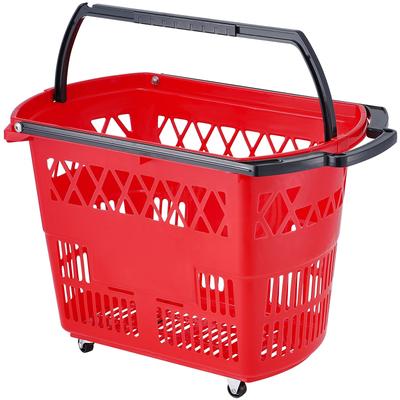
Tools, Home & Hobby 39L Rolling Shopping Basket Set With Wheels And Handles For Grocery Stores And Retail Shops 39L Rolling Shopping Basket Set With Wheels And Handles For Grocery Stores And Retail ShopsMake every shopping trip easier with a spacious rolling shopping basket designed to move heavy purchases with less effort. This 6piece shopping basket with wheels set offers 39L capacity per basket for groceries, retail goods, books, toiletries, and...199,97 $*Shipping: 0,00 $Secure redirect to the provider
-
What are rice cultivation areas?
Rice cultivation areas are regions where rice is grown as a primary crop. These areas typically have specific climatic and soil conditions that are suitable for rice cultivation. Rice cultivation areas can vary in size from small family farms to large commercial operations, and they play a crucial role in providing food security for many countries around the world. Additionally, these areas often have a long history of rice cultivation and may have developed unique farming practices and traditions related to growing rice. **
-
Don't mushrooms grow in mushroom cultivation?
Yes, mushrooms do grow in mushroom cultivation. Mushroom cultivation involves creating the ideal conditions for mushrooms to grow, such as providing the right temperature, humidity, and substrate for the mushrooms to thrive. Through this process, mushrooms can be cultivated and harvested for consumption or commercial purposes. **
-
How does outdoor hemp cultivation work?
Outdoor hemp cultivation involves planting hemp seeds directly in the soil in an outdoor environment. The plants require ample sunlight, water, and nutrients to grow successfully. Farmers must monitor the plants for pests and diseases, and may need to implement organic pest control methods. Harvesting typically occurs in the fall when the plants have reached maturity, and the hemp is then dried and processed for various uses such as CBD extraction, fiber production, or seed harvesting. **
-
How high are the cultivation costs?
The cultivation costs can vary depending on various factors such as the size of the operation, location, cultivation method, and the specific crop being grown. Generally, cultivation costs can be significant due to expenses related to land, equipment, labor, seeds, fertilizers, pesticides, water, and energy. It is essential for farmers to carefully manage these costs to ensure profitability and sustainability in their operations. Additionally, implementing efficient practices and utilizing technology can help reduce cultivation costs in the long run. **
* All prices are inclusive of VAT and, if applicable, plus shipping costs. The offer information is based on the details provided by the respective shop and is updated through automated processes. Real-time updates do not occur, so deviations can occur in individual cases. ** Note: Parts of this content were created by AI.